Lanka Developers Community

    Lanka Developers

    • Register
    • Login
    • Search
    • Categories
    • Recent
    • Tags
    • Popular
    • Users
    • Groups
    • Shop
    1. Home
    2. preeti jaibros
    • Profile
    • Following 0
    • Followers 0
    • Topics 7
    • Posts 7
    • Best 0
    • Controversial 0
    • Groups 0

    preeti jaibros

    @preeti jaibros

    Jaibros is a decade old company, having experience in the CNC Machine Tools & Accessories and Industrial Products.

    0
    Reputation
    1
    Profile views
    7
    Posts
    0
    Followers
    0
    Following
    Joined Last Online
    Website www.jaibros.com/ Location C-28, First Floor Phase-1, opposite Nexa Service Centre, Industrial Area, Mangolpuri, Delhi, 110083 Age 24

    preeti jaibros Unfollow Follow

    Latest posts made by preeti jaibros

    • How Hand Tools Shape the Quality of Finished Products
      How Hand Tools Shape the Quality of Finished Products
      HAND-TOOLS-4 (1).png

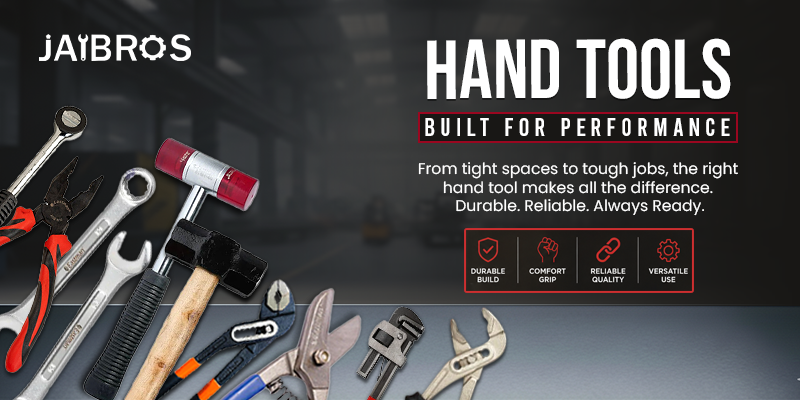
      There are many factors that make up the quality of a finished product apart from state-of-the-art equipment and processes. It all starts with cutting, assembly, testing, and finishing. Although automation has sped up the process and ensured consistent performance, people use hand tools for certain operations which require precision and control. The correct usage of hand tools will reduce the occurrence of flaws, will increase the preciseness, and will make sure that each part is built according to the necessary specifications. Both in workshops and manufacturing plants, the proper work done manually provides value that cannot be created by machine. Choosing appropriate tools, using them right, and maintaining them in the correct manner are important aspects of building good quality products.

      The Role of Hand Tools in Product Quality

      Each product has to go through various stages in the process of manufacture before it gets to the consumer. Machines undertake repetitive tasks in an extremely precise way; however, they cannot fully compensate for the human touch. In the processes of assembly, inspection, and finishing, the technician may have to gain more control in order to achieve better results. Hand tools come in handy here.

      Using the right tools helps manufacturers achieve several quality benefits, such as:
      Accurate component alignment.
      Proper tightening of fasteners.
      Smooth edge finishing.
      Better dimensional accuracy.
      Reduced chances of product defects.
      When these tasks are performed carefully, the overall reliability and appearance of the finished product improve significantly.

      Why Precision Matters During Finishing

      The finishing process is sometimes the last chance to detect any small defects before the final product is delivered to the consumer. The most flawlessly machined part will become defective if there are any burrs present, loose screws or any measurement errors. Manual finishing allows for achieving perfect results.

      Professionals usually focus on the following activities during finishing:
      Removing burrs and sharp edges.
      Checking dimensions with measuring tools.
      Correcting minor fitting issues.
      Inspecting surface finish.
      Ensuring proper assembly.
      In today’s world, many customers use an online store for hand tools and then select their devices depending on the specifications since having accurate details about the product simplifies the choice process. In the same way, by having all the hand tools, one can accomplish any finishing job without any delay.

      How Quality Tools Improve Manufacturing Consistency

      Consistency is one of the biggest goals in modern manufacturing. Customers expect every product in a production batch to perform exactly like the previous one. Poor-quality tools wear out faster, lose accuracy, and increase the possibility of production errors. Reliable hand tools help maintain repeatable results by providing better grip, improved precision, and longer service life.

      Manufacturers can improve consistency by following these practices:
      Use application-specific tools.
      Replace worn tools regularly.
      Calibrate measuring instruments.
      Follow standard operating procedures.
      Train operators on proper tool handling.

      In many production environments, the primary machining work is completed using a CNC tool, while manual finishing ensures every component meets strict quality standards before final inspection.

      Choosing and Maintaining the Right Tools

      Selecting the correct tool is only one part of maintaining product quality. Regular maintenance also plays a major role in ensuring reliable performance over time. Clean, well-maintained equipment performs more accurately and reduces the likelihood of unexpected failures during production.

      Some useful maintenance practices include:
      Cleaning tools after every shift.
      Protecting them from rust and moisture.
      Inspecting for wear before use.
      Storing equipment properly.
      Replacing damaged tools immediately.
      A reliable hand tools guide can help technicians understand proper usage, maintenance methods, and suitable applications for different equipment. Purchasing from a trusted hand tool online supplier also helps buyers compare specifications before making an informed decision. Keeping an organized hand tool kit further improves productivity by ensuring that essential equipment is always available when needed.

      Combining Manual Skills with Modern Technology

      Advances in technology have made production much more efficient; nevertheless, the skill of professionals is vital for producing top-quality products. Automation ensures efficiency and accuracy, whereas the manual aspect of the process ensures accuracy when corrections are necessary. The best production process takes place where automation and manual aspects supplement each other.

      This balanced approach provides several advantages:
      Better product accuracy.
      Improved surface finish.
      Reduced rework and waste.
      Higher customer satisfaction.
      Greater long-term reliability.

      The post machining process is followed by inspection and finishing process carried out by utilizing various hand tools after the CNC machines have done their jobs, and thus all products produced are always up to quality standards. As a result, there are well-performing and high-quality products that are produced.

      Conclusion

      Excellent quality is not a one-step process but is rather made by planning, precision manufacture, rigorous inspection, and finishing. Reliable hand tools are still extremely vital in increasing accuracy, decreasing errors and defects, and ensuring high standards of production in various fields of activity. Whenever companies purchase high-quality equipment and follow the right procedures of work, they receive improved results, efficiency, and more satisfied customers. Companies that search for high-quality industrial tooling should look into the variety of items offered by Jaibros, where quality-oriented manufacturing demands are provided with reliable tooling solutions.

      FAQs

      1. Why are hand tools important in manufacturing?
        They help improve accuracy, finishing quality, assembly precision, and overall product reliability.

      2. Can manual tools improve product quality after machining?
        Yes. They remove minor defects, improve surface finish, and help achieve accurate final assembly.

      3. What should every basic hand tool kit contain?
        A standard kit should include screwdrivers, pliers, spanners, hammers, and measuring tools suitable for regular workshop tasks.

      4. Why is tool maintenance necessary?
        Regular maintenance improves accuracy, extends tool life, reduces downtime, and prevents production errors.

      5. How do modern industries combine manual and automated work?
        Machines perform high-speed production, while skilled technicians use manual tools for inspection, finishing, and final quality control.

      posted in Blogs
      preeti jaibros
      preeti jaibros
    • How to Select the Right CNC Tool for Precision Machining

      cnc tool 4.jpeg
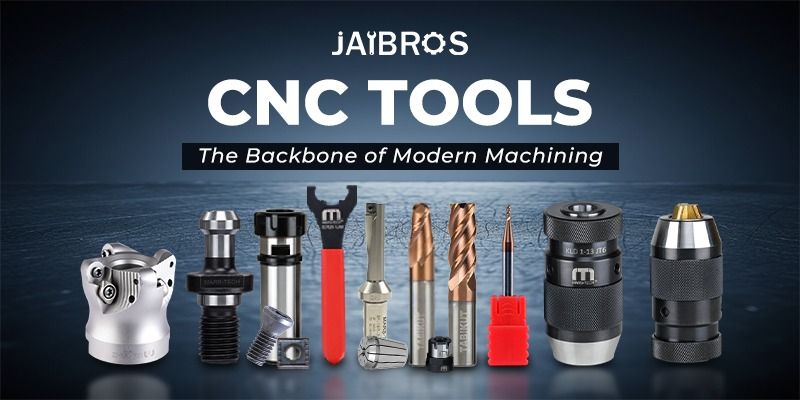
      Precision Machining entails accuracy, repeatability, and planning in all aspects of production. Among the many decisions one has to make during the process is the choice of a CNC Tool, which determines how efficient and accurate the cutting will be, what surface finish will be achieved, and how productive the whole process will be. An appropriate tool not only increases the quality of work but also ensures minimum tool wear, reduces downtime, and cuts down the cost of production. From aluminum to stainless steel, from hardened steel to any other engineering material, there are many considerations that need to be understood when choosing a tool.

      Efficiency and accuracy go hand-in-hand in the manufacturing industry today. That is why manufacturing companies ensure to purchase quality CNC Tools that not only complement their machining application but also complement their machine's capability. Companies should not base their choice of tools on price alone but on several other aspects.

      Understand Your Machining Requirements

      No successful machining job begins without first comprehending the requirements of the job. The material to be machined, the process being performed, the number of items to be produced, and the finish requirement all dictate the selection of the correct tooling. The use of the incorrect tool can result in poor finish, high rates of wear, and higher production costs.
      Key Points:
      Identify the workpiece material before selecting tooling.
      Determine whether the operation involves milling, drilling, boring, or finishing.
      Consider production volume and machining speed requirements.
      Evaluate tolerance and surface finish expectations.
      Select suitable cnc tool types according to the machining application.
      Choosing tooling based on these factors helps reduce machining errors and improves productivity.

      Select the Right Tool Material and Coating

      Material used in the manufacturing of a cutting tool is a very important aspect since it determines the performance and durability of the cutting tool. Tool material to be used is different for different applications depending on the cutting speed and hardness of the cutting process.
      Key Points:
      Solid carbide tools offer excellent wear resistance and high-speed machining capability.
      High-Speed Steel tools are suitable for lighter machining operations.
      Ceramic and CBN tools are ideal for machining hardened materials.
      Modern coatings such as TiAlN and AlCrN reduce heat generation and improve tool life.
      Investing in quality CNC Tools minimizes replacement frequency and increases production efficiency.
      Selecting the right combination of material and coating improves machining quality while reducing overall operating costs.

      Choose the Correct Tool Geometry

      The geometrical configuration of the tool influences chip removal, stability of the cut, and precision of the machining process. Poor selection of the geometry may lead to increased vibrations, decreased lifetime of the tool, and low quality of machined parts. Proper geometry selection for each machining process is important.
      Key Points:
      Select the correct number of flutes according to the material being machined.
      High helix angles improve chip evacuation in aluminum and soft materials.
      Lower helix angles provide greater rigidity for harder metals.
      Match cnc tool types with roughing, finishing, slotting, or profiling operations.
      Choose an appropriate corner radius for better strength and surface finish.
      Proper tool geometry helps improve cutting efficiency while maintaining precision throughout production.

      Select a Reliable Tool Holding System

      For a tool to work effectively, it must be held firmly. A good cnc tool holder will ensure that runout and vibrations are kept at a minimum, thus improving accuracy. Failure to hold tools properly may cause adverse effects such as poor surface finishes and wear of the spindle, thus making the choice of holder as crucial as that of the tool itself.
      Key Points:
      Improve machining stability and accuracy.
      Reduce vibration during high-speed cutting.
      Extend tool life through secure clamping.
      Protect the spindle from unnecessary stress.
      Choose the appropriate cnc tool holder based on machine compatibility.
      A reliable tool holding system contributes significantly to consistent machining performance and better production quality.

      Match the Tool with Your Machine

      Every machine has specific operating capabilities. Choosing tooling that matches machine specifications improves efficiency and prevents unnecessary wear. Compatibility between tooling and machine equipment ensures stable performance during both roughing and finishing operations.
      Key Points:
      Verify spindle speed and power capacity.
      Check maximum tool diameter compatibility.
      Ensure coolant delivery supports machining conditions.
      Consider machine rigidity before selecting tooling.
      Match tooling with modern cnc machine tools for maximum productivity.
      Using compatible tooling allows manufacturers to achieve better machining results while protecting valuable equipment.

      Focus on Long-Term Performance

      Many businesses choose tooling based only on its purchase price, but long-term performance is a much better investment. Durable tools reduce downtime, improve productivity, and lower the cost per machined component. Quality tooling also helps maintain consistent production standards over extended manufacturing cycles.
      Key Points:
      Evaluate tool life before purchasing.
      Compare productivity instead of initial cost.
      Calculate cost per machined component.
      Choose suppliers offering technical support.
      Use reliable CNC Tools for consistent machining quality.
      Selecting quality tooling leads to better operational efficiency and improved profitability.

      Common Mistakes to Avoid

      Many machining problems occur because of poor tooling decisions rather than machine faults. Avoiding these common mistakes helps improve machining accuracy and extends equipment life.
      Key Points:
      Selecting tools based only on price.
      Ignoring workpiece material.
      Using incorrect cutting parameters.
      Choosing unsuitable holders.
      Continuing to use worn-out tools.
      Ignoring compatibility with cnc machine tools.
      Regular inspection and proper maintenance prevent these issues and improve machining performance.

      Conclusion

      Selection of proper CNC Tools is an essential factor in providing accurate, efficient, and effective machining operations. Manufacturers can enhance the quality of their machining operations and reduce costs by knowing more about their requirements, selecting proper material and geometry of the tools, and ensuring compatibility of tools with machines. Selection of proper tools is always an intelligent investment for any machining operation. If you need high-quality and reliable industrial tooling, here at Jaibros, we have many quality choices for you.

      FAQs

      1. Why is selecting the right CNC tool important?
        The right tool improves machining accuracy, surface finish, productivity, and tool life while reducing production costs.

      2. Which tool material is best for precision machining?
        Solid carbide is widely preferred because it offers excellent wear resistance, durability, and high-speed machining performance.

      3. Why is a tool holder important?
        A proper tool holder reduces vibration, improves accuracy, protects the spindle, and extends tool life.

      4. What should be considered before selecting tooling?
        Material type, machining operation, machine capability, production volume, and cutting conditions should all be evaluated.

      5. Where can I find quality machining solutions?
        Reliable industrial suppliers such as Jaibros provide quality tooling solutions suitable for various precision machining applications.

      posted in Blogs
      preeti jaibros
      preeti jaibros
    • How to Create an Efficient Hand Tool Management System

      Hand tool image.jpeg
      Having an organized working area is important in enhancing productivity, eliminating idle time and ensuring workplace safety. Regardless of whether one manages a manufacturing plant, a construction site, a repair shop or even a garage at home, having all the hand tools organized will make working easier. Time is saved since people do not have to look around for the tools to complete their jobs. In addition, there will be a lower likelihood of losing or damaging the equipment thus helping the business save time and money.

      Efficient equipment management does not only involve storing the equipment in shelves but also organization, inventory, maintenance, accountability and purchase planning. Incorporating these factors in the day-to-day activities results into good workflow and minimal disruptions besides extending the lifespan of the equipment. This kind of management can be created through consistency and not costly infrastructures.

      Why an Organized Management System Matters

      In any business organization, availability of tools when needed is a necessity. In the absence of a good management system, employees spend a lot of time searching for missing tools, double buying becomes common practice, and even broken tools might go unnoticed until something happens due to their malfunction. In this way, everything has its place, which makes the process of finding tools easy and fast. Moreover, it promotes responsibility as employees know where tools should be put after performing every activity.
      Key Points
      Reduces time spent searching for equipment.
      Improves workplace productivity.
      Prevents unnecessary purchases.
      Creates employee accountability.
      Improves workplace safety.
      Extends equipment life.

      Organize Equipment by Category
      One of the simplest ways to improve efficiency is by arranging equipment according to its function. Similar items should always be stored together so employees can quickly locate what they need. Cutting equipment, measuring instruments, fastening devices, and repair accessories should each have their own dedicated storage area. Frequently used items should remain within easy reach, while less frequently used equipment can be stored separately. Clearly labeled cabinets, drawers, and shadow boards help maintain consistency across the workplace. When every employee follows the same storage pattern, operations become faster and more organized.
      Key Points
      Group similar equipment together.
      Label all storage locations.
      Keep frequently used items accessible.
      Separate specialized equipment.
      Return items after every use.
      Maintain consistent organization.

      Choose Practical Storage Solutions

      The right storage method protects equipment from damage while making daily work more efficient. Different workplaces require different storage systems depending on available space and operational needs. Wall-mounted shadow boards make commonly used equipment easy to identify, while drawer cabinets protect smaller items from dust and moisture. Mobile carts are useful in larger facilities where equipment needs to move between departments. For technicians working outside the workshop, carrying a hand tool kit ensures essential equipment remains organized and ready for use. Good storage practices also make missing items immediately noticeable, reducing unnecessary losses.
      Key Points
      Use shadow boards for visibility.
      Install labeled cabinets.
      Store valuable equipment securely.
      Use mobile storage where needed.
      Maintain a portable hand tool kit for field work.
      Keep storage areas clean.

      Maintain an Inventory and Inspection Schedule

      An inventory system helps businesses monitor equipment from purchase to replacement. Whether maintained digitally or on paper, inventory records should include identification numbers, purchase dates, storage locations, maintenance history, and current condition. Routine inspections ensure damaged equipment is repaired or replaced before it affects productivity or worker safety. Regular cleaning, lubrication, rust removal, and tightening loose components significantly extend equipment life. Maintaining accurate records also makes budgeting easier because managers can identify replacement requirements well in advance instead of making emergency purchases.
      Key Points
      Maintain inventory records.
      Track storage locations.
      Schedule routine inspections.
      Clean equipment regularly.
      Repair minor damage early.
      Update maintenance history.

      Plan Purchases Carefully

      Buying equipment without proper planning often increases operational costs. Instead of replacing items unnecessarily, businesses should evaluate performance, maintenance history, and expected service life before making purchasing decisions. Comparing product quality, warranty, and hand tool price allows organizations to select durable options that offer better long-term value. Reviewing inventory records before purchasing also prevents duplicate orders and ensures money is spent only on equipment that is genuinely required. Careful planning supports better budgeting and helps maintain a reliable workshop without overspending.
      Key Points
      Review inventory before purchasing.
      Compare warranty options.
      Evaluate long-term durability.
      Compare hand tool price carefully.
      Avoid duplicate purchases.
      Purchase according to operational needs.

      Use Technology to Improve Efficiency

      With technological advancement today, equipment management has become more efficient compared to using manual processes in the past. Barcode tagging, QR codes, inventory digital software, and cloud-based asset management software can offer real-time data concerning equipment availability and condition. The process is automated through maintenance alerts to ensure that all equipment inspection occurs within the designated period, with digital analysis making it easy to conduct an assessment of equipment usage. Small companies can still benefit from the use of inventory software at a low cost.
      Key Points
      Use barcode or QR tracking.
      Maintain digital inventory.
      Schedule automated maintenance reminders.
      Generate inspection reports.
      Reduce paperwork.
      Improve tracking accuracy.

      Conclusion

      Efficient hand tool management does not necessarily involve the acquisition of costly storage systems, but involves the creation of standardized methods of organization. Categorization, proper storage, inventory, maintenance, training employees, and planning purchases will help create a safer and more efficient environment. Businesses that adopt such practices find themselves operating in a manner free from delays and higher costs related to purchasing replacement items. Companies such as Jaibros can be helpful when it comes to providing the best hand tools for professional use. In any case, whether dealing with a small workshop or a large factory, it is important to ensure that every hand tool is properly maintained and stored.

      FAQs

      1. Why is a tool management system important?
        It improves organization, increases productivity, reduces losses, and enhances workplace safety.

      2. How often should equipment be inspected?
        Visual inspections should be done after use, while detailed inspections should follow a regular maintenance schedule.

      3. What is the best way to store workshop equipment?
        Labeled cabinets, shadow boards, drawer systems, and mobile storage carts are highly effective.

      4. How can businesses reduce replacement costs?
        Regular maintenance, proper storage, and timely inspections help extend equipment life and reduce unnecessary purchases.

      5. Can small workshops benefit from a management system?
        Yes. Even simple inventory records and organized storage significantly improve efficiency and accountability.

      posted in Blogs
      preeti jaibros
      preeti jaibros
    • How to Maintain Hand Tools for Long-Term Performance

      HAND-TOOLS-4 (1).png
      Maintenance is what is going to prolong the life of your hand tool equipment. No matter whether you are a professional, mechanic or hobbyist, correct maintenance of your hand tools will go a long way in making sure that you are able to achieve improved safety, accuracy and efficiency. Though it may be true that most people just focus on how much their hand tools cost them when purchasing them, it should be noted that performance is dependent on how well you maintain them rather than how much they cost. As long as you purchase your hand tools from a reputable hand tool online store or supplier, you won’t need any repair works at all.

      Clean Your Tools After Every Use

      Clean tools right after work and that will be one of the easiest practices to cultivate but have one of the most significant influences on performance. It is possible for dust, dirt, moisture, and metal particles to accumulate over time and lower productivity as well as lead to corrosion of tools. A couple of minutes to clean tools will save them from getting damaged.
      Key Points:
      Wipe every tool with a clean, dry cloth.
      Remove grease using a suitable cleaning solution.
      Use a soft brush to clean hard-to-reach areas.
      Dry tools completely before storing them.
      Never leave tools exposed to moisture for long periods.

      Store Tools in a Safe and Dry Place

      Even good quality tools may decay rapidly when stored improperly. Proper storage will prevent the deterioration of tools through rusting, accidental damage, and even excessive wear and tear. It is also time-saving since all the tools are accessible at any given time.
      Key Points:
      Store tools in a toolbox or cabinet.
      Keep storage areas dry and well-ventilated.
      Use wall racks for frequently used equipment.
      Protect sharp edges with covers.
      Organize your hand tool kit properly after every job.

      Lubricate Moving Parts Regularly

      Manual devices may also contain joints, pivots, or parts which require lubricants. The lack of lubricant causes friction, making it hard to operate the device. It also accelerates wear and tear. Lubrication guarantees smooth operation of the moving parts and prevents corrosion.
      Key Points:
      Apply light machine oil to moving joints.
      Remove excess oil after lubrication.
      Lubricate tools based on usage frequency.
      Check adjustable mechanisms for smooth movement.
      Avoid using excessive lubricant that attracts dust.

      Inspect Tools Before and After Every Job

      Regular inspections help identify small problems before they become expensive repairs. Loose handles, damaged grips, worn cutting edges, or rust spots should never be ignored. A few minutes spent checking tools improves workplace safety and ensures reliable performance throughout every project.
      Key Points:
      Look for cracks in handles.
      Tighten loose nuts and screws.
      Replace damaged grips immediately.
      Check cutting edges for wear.
      Remove rust as soon as it appears.

      This practice becomes even more important when working alongside a CNC tool, where precision and consistency are essential for achieving accurate machining results.

      Use Every Tool for Its Intended Purpose

      Using the wrong tool may seem convenient, but it often causes permanent damage. For example, using pliers as a hammer or applying excessive force to adjustable tools shortens their lifespan. Selecting the correct equipment for every task improves both safety and efficiency.
      Key Points:
      Choose the right tool for every application.
      Never exceed the recommended load.
      Avoid modifying tools unnecessarily.
      Follow the manufacturer's instructions.
      Replace worn-out components instead of forcing damaged tools to work.

      Create a Regular Maintenance Routine

      The maintenance schedule will ensure that the tools are kept in great working order all through the year. The aim is not to allow any problem to arise but to prevent it from occurring in the first place.
      Key Points:
      Clean tools after every use.
      Inspect them weekly.
      Lubricate moving parts every month.
      Remove rust immediately.
      Record maintenance for frequently used tools.

      Professionals operating a cnc machine often follow scheduled maintenance because even small issues can affect productivity. The same approach works equally well for manual workshop equipment.

      Choose Quality Tools for Better Long-Term Value

      Maintenance requires good choice of equipment. Comparison of hand tools cost is a sensible measure to adopt but it can be complemented with durability, material and construction criteria while buying the equipment. Buying equipment from a reputable hand tool online store enables you to look at the technicalities before making your purchase. Durability of the hand tool together with good maintenance guarantees that the equipment will work well for years to come. Same goes for the cleanliness of each CNC tool.
      Key Points:
      Focus on quality instead of only price.
      Read product specifications carefully.
      Compare customer reviews before purchasing.
      Select tools suitable for your work requirements.
      Invest in products designed for long-term use.

      Conclusion

      Performing maintenance on hand tools is the easiest way to increase their life expectancy and efficiency. Cleaning, storing properly, lubricating, and checking the tools on a regular basis helps prevent damages as well as retain their precision and safety. This reduces the cost of replacing them while ensuring that they serve effectively for every day’s use. No matter whether you are an expert or a novice, by applying these maintenance tricks, you can make the most out of your equipment. Those seeking reliable industrial tools and solutions for workshops should explore the extensive range of offerings available at Jaibros.

      FAQs

      1. How often should I clean my hand tools?
      You should clean them after every use to remove dirt, grease, and moisture that can lead to corrosion.

      2. What is the best way to prevent rust on tools?
      Store them in a dry place, keep them clean, and apply a light coat of protective oil regularly.

      3. Why is lubrication important for tool maintenance?
      Lubrication reduces friction, prevents wear on moving parts, and helps tools operate smoothly.

      4. How do I know when a tool should be replaced?
      Replace tools if they have severe rust, cracked handles, broken parts, or damage that affects safety and performance.

      5. Does regular maintenance really improve tool life?
      Yes. Consistent cleaning, inspection, lubrication, and proper storage significantly extend tool lifespan while maintaining performance.

      posted in Blogs
      preeti jaibros
      preeti jaibros
    • How to Prevent Rust on Hand Tools: Storage Tips That Work

      Hnad tool 2nd image.png
      Rust is one of the most common problems that reduce the life and performance of workshop equipment. It develops slowly but can damage metal surfaces, weaken tool strength, and affect working accuracy. Whether you are a professional technician or someone who enjoys DIY projects, proper maintenance can save both time and money by preventing unnecessary wear.
      Many people focus on buying quality hand tools but overlook the importance of correct storage. Moisture, dust, and poor organization are often the real reasons behind corrosion. By following a few practical storage habits, you can keep your tools clean, functional, and ready for every project without spending extra on frequent replacements.

      Understand Why Rust Forms on Tools

      Before preventing rust, it is important to understand what causes it. Rust forms when metal comes into contact with moisture and oxygen for an extended period. High humidity, water exposure, and poor storage conditions accelerate this process. Once corrosion begins, it spreads gradually if left untreated.

      Key Points:
      Rust is caused by moisture reacting with iron and steel.
      Humid environments increase the risk of corrosion.
      Sweat and fingerprints can leave moisture on metal surfaces.
      Dust traps moisture and encourages rust formation.
      Poor ventilation makes storage areas damp.
      Early prevention is easier than repairing rust damage.

      Clean Your Tools Before Storage

      Cleaning tools after every use is one of the simplest ways to prevent rust. Dirt, grease, and metal particles hold moisture against the surface, creating ideal conditions for corrosion. A few minutes of cleaning after work can greatly increase the lifespan of your hand tools and maintain their performance.

      Key Points:
      Wipe every tool with a dry microfiber cloth.
      Remove grease, oil, and debris after use.
      Dry tools completely before storing them.
      Use a soft brush to clean hard-to-reach areas.
      Apply light machine oil on metal surfaces when needed.
      Inspect tools for scratches or rust spots while cleaning.

      Store Tools in a Dry and Ventilated Place

      The storage environment plays a major role in preventing rust. Even well-maintained tools can corrode if they are kept in damp locations. Choosing the right storage space reduces moisture exposure and keeps equipment safe throughout the year.

      Key Points:
      Keep tools indoors whenever possible.
      Avoid storing them on concrete floors.
      Use cabinets with proper airflow.
      Keep storage away from leaking walls or windows.
      Install moisture absorbers in humid areas.
      Maintain a stable room temperature.
      When buying storage organizers through a hand tool online store, choose products designed to protect tools from dust and humidity rather than selecting only by appearance.

      Use Proper Storage Accessories

      Good storage accessories help organize tools while protecting them from moisture and accidental damage. Organized storage also makes it easier to find equipment quickly and reduces unnecessary handling that may scratch metal surfaces.

      Key Points:
      Store frequently used items in a durable hand tool kit.
      Use drawer liners to reduce moisture.
      Hang tools on pegboards when possible.
      Keep cutting tools in protective covers.
      Use silica gel packets inside storage boxes.
      Separate clean tools from dirty equipment.
      These storage practices are also followed for CNC tools because precision equipment requires protection from corrosion to maintain accuracy.

      Apply Protective Coatings Regularly

      Protective coatings create a barrier between metal and moisture. Even if tools are stored correctly, applying oil or rust-prevention products provides additional protection against changing weather conditions and humidity.

      Key Points:
      Apply a thin layer of machine oil.
      Use rust-prevention spray for long-term storage.
      Lubricate moving joints regularly.
      Remove excess oil before using tools.
      Wax coatings can protect polished surfaces.
      Reapply protection after deep cleaning.
      Regular maintenance routines used for CNC tools show that preventive care is always more cost-effective than replacing damaged equipment.

      Organize Tools for Better Protection

      An organized workspace not only improves productivity but also helps prevent rust. Proper arrangement reduces contact between metal surfaces, minimizes accidental damage, and makes maintenance inspections much easier.
      Key Points:
      Arrange tools according to their type.
      Label drawers and storage compartments.
      Avoid stacking heavy tools together.
      Keep sharp edges protected.
      Return tools immediately after use.
      Inspect storage boxes every few weeks.
      Keeping everything inside a quality hand tool kit also prevents unnecessary exposure to moisture and dust.

      Control Humidity Inside the Workshop

      Humidity is often ignored until rust becomes visible. However, controlling moisture in the workshop is one of the most effective long-term solutions. A dry storage environment significantly reduces corrosion and protects expensive equipment.

      Key Points:
      Keep humidity below 50% whenever possible.
      Use dehumidifiers during the rainy season.
      Place silica gel packets inside cabinets.
      Improve ventilation with exhaust fans.
      Avoid storing wet cloths near tools.
      Check storage areas regularly for dampness.
      If you purchase maintenance accessories through a hand tool online platform, moisture-control products are worth considering alongside storage cabinets.

      Inspect Tools Regularly

      Routine inspection helps identify rust before it becomes severe. Small rust spots are easier to remove and prevent from spreading. Regular maintenance also ensures tools remain safe and efficient during use.

      Key Points:
      Inspect tools every month.
      Remove light rust using fine steel wool.
      Reapply protective oil after cleaning.
      Tighten loose screws and fasteners.
      Replace damaged handles promptly.
      Keep maintenance records for workshop equipment.
      Instead of comparing products only by hand tools price, consider durability, material quality, and corrosion resistance when selecting new equipment.

      Choose Quality Tools for Long-Term Durability

      Although maintenance is essential, the quality of the tool itself also affects rust resistance. Better materials, protective finishes, and strong manufacturing standards provide longer service life under regular working conditions.

      Key Points:
      Look for corrosion-resistant finishes.
      Choose trusted manufacturers.
      Inspect coating quality before buying.
      Store new tools correctly from the beginning.
      Read maintenance recommendations carefully.
      Compare durability instead of only checking hand tools price.
      Even equipment used alongside a cnc machine performs better when supporting tools are properly maintained and protected from corrosion.

      Conclusion

      Preventing rust is not difficult when you follow consistent maintenance habits. Cleaning tools after every use, storing them in a dry environment, using protective coatings, and organizing them properly all help extend their lifespan. These simple practices improve safety, reduce maintenance costs, and ensure your equipment remains reliable for years. Whether you maintain a personal workshop or an industrial workspace, proper storage makes a noticeable difference. For professionals looking for dependable tooling solutions and workshop products, Jaibros offers a wide range of reliable options to support efficient maintenance and long-term performance.

      FAQs

      1. What is the main cause of rust on tools?
        Rust mainly forms when metal surfaces are exposed to moisture and oxygen for long periods.
      2. Is oil necessary for rust prevention?
        Yes. A light coat of machine oil creates a protective layer that prevents moisture from reaching the metal.
      3. Can silica gel packets really prevent rust?
        Yes. Silica gel absorbs excess moisture inside toolboxes and storage cabinets, reducing the chances of corrosion.
      4. How often should tools be inspected?
        Monthly inspections are recommended, while frequently used tools should be checked after every major project.
      5. What is the best place to store tools?
        A clean, dry, well-ventilated indoor storage cabinet with controlled humidity is the ideal place to prevent rust.
      posted in Blogs
      preeti jaibros
      preeti jaibros
    • Hand Tools Used in CNC Machine Maintenance

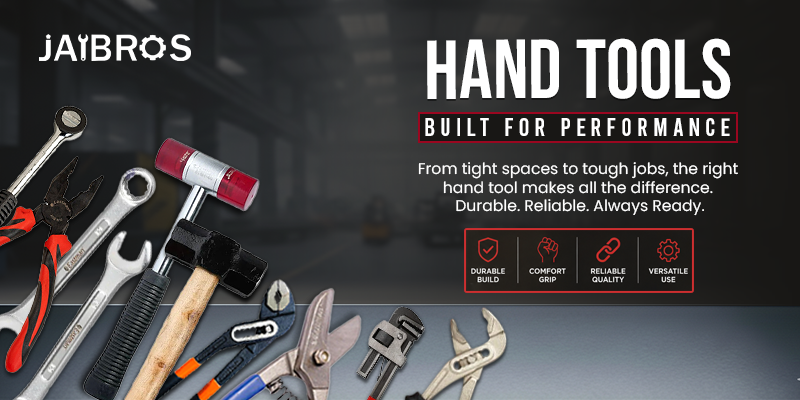
      Hand tool image.jpeg Accuracy is one of the key aspects of manufacturing in contemporary days; however, even the most accurate machinery requires maintenance to function correctly. Maintenance contributes to lowering the chances of machine breakdown, makes it safer and provides for the extended life of industrial machinery. Competent technicians apply hand tools to inspect the parts, fasten connections, clean assemblies and make the needed adjustments with precision. Proper technique ensures the accurate performance of the machinery.
      Effective maintenance process implies not only repairing broken parts but also periodic checking, cleaning, oiling and changing of faulty elements. In addition to that, choosing high-quality equipment and learning how to use it properly is essential to achieve good results. Maintenance essentials become an invaluable asset in any workshop regardless of its size.

      Why Regular CNC Machine Maintenance Is Important

      Good maintenance is the cornerstone of efficient industrial operations. Those machines which undergo regular checks usually have lower chances of malfunction and perform much more accurately. Preventive maintenance implies not waiting for something to break but diagnosing the existing problem before it turns into a costly one.

      Key Points
      Reduces unexpected machine breakdowns.
      Improves production efficiency.
      Increases equipment lifespan.
      Maintains machining accuracy.
      Enhances operator safety.
      Lowers long-term repair expenses.
      Supports smooth production schedules.

      Essential Hand Tools Required for Maintenance

      Every maintenance task requires equipment designed for a specific purpose. Different hand tools help technicians work safely without damaging sensitive machine parts. Choosing durable tools also improves accuracy and reduces the effort required during servicing.

      Key Points
      Screwdrivers: Used for removing covers, tightening terminals, and servicing electrical panels.
      Combination Spanners: Help tighten or loosen nuts and bolts of different sizes.
      Allen Keys: Suitable for socket-head screws commonly used in industrial assemblies.
      Pliers: Useful for gripping, bending wires, and removing retaining clips.
      Soft Mallets: Assist in repositioning components without damaging finished surfaces.
      Torque Wrenches: Ensure bolts are tightened according to manufacturer specifications.

      A complete hand tool kit containing these essentials allows technicians to perform maintenance efficiently without searching for individual equipment during servicing.

      Choosing Quality Maintenance Tools

      Choosing the correct maintenance equipment is very important in terms of quality and safety. It is necessary to have equipment that is tough enough to be used repeatedly. Though most buyers tend to compare brands when buying equipment, choosing the cheapest available equipment may not be beneficial.

      Key Points
      Choose forged steel construction for better durability.
      Look for ergonomic handles to reduce fatigue.
      Buy corrosion-resistant tools for longer service life.
      Ensure tools meet industrial quality standards.
      Replace damaged equipment immediately.
      Keep maintenance equipment properly organized.

      Many professionals prefer checking specifications through trusted hand tool online platforms because they provide detailed product information, technical specifications, and customer reviews. Buyers also compare hand tools price across suppliers to find products that balance quality with affordability.

      Best Practices During Maintenance

      Following proper maintenance procedures helps prevent accidental damage and improves technician safety. Organized servicing also ensures every inspection is completed systematically without overlooking important components.

      Key Points
      Disconnect power before starting maintenance.
      Wear appropriate personal protective equipment.
      Clean components before inspection.
      Inspect lubrication levels regularly.
      Tighten fasteners according to specifications.
      Record maintenance activities for future reference.
      Replace worn-out components without delay.
      Test all safety mechanisms before restarting operations.

      A properly arranged hand tool kit saves time and allows technicians to complete maintenance work more efficiently while reducing unnecessary interruptions.

      Common Areas That Require Inspection

      Routine inspections focus on parts that experience regular movement, vibration, or wear. Monitoring these areas helps identify early signs of damage before they affect production quality.

      Key Points
      Fasteners
      Check loose bolts.
      Inspect mounting brackets.
      Verify guard installation.

      Lubrication System
      Monitor oil levels.
      Check grease condition.
      Inspect leakage.

      Guideways
      Remove dust and chips.
      Clean sliding surfaces.
      Apply recommended lubricants.

      Electrical Cabinet
      Tighten loose terminals.
      Remove accumulated dust.
      Inspect cooling fans.
      Check cable insulation.

      Technicians may also inspect a CNC tool during maintenance to ensure cutting accessories remain properly secured and free from excessive wear. Careful inspection supports better machining accuracy and reliable production.

      Mistakes to Avoid During Maintenance

      Even experienced maintenance professionals can make small mistakes that reduce equipment performance. Following recommended maintenance procedures helps avoid unnecessary repairs and improves machine reliability.

      Key Points
      Using incorrect tool sizes.
      Over-tightening fasteners.
      Ignoring lubrication schedules.
      Skipping inspection records.
      Using worn-out maintenance equipment.
      Failing to clean machine surfaces.
      Neglecting calibration checks.

      Many workshops also compare hand tools price before replacing old equipment, but investing in quality products usually provides better durability and long-term savings than selecting low-cost alternatives.

      Professionals often purchase maintenance equipment through reliable hand tool online suppliers because they can compare features, specifications, and product availability before making informed purchasing decisions.

      Conclusion

      Effective maintenance is built on proper planning, regular inspections, and selecting the right hand tools for every servicing task. Routine care helps improve reliability, reduce downtime, and extend the life of valuable industrial equipment. Maintenance teams should always follow standard procedures, use quality equipment, and document every inspection for future reference. Learning best practices and choosing dependable maintenance solutions from trusted providers like Jaibros can help workshops maintain consistent performance while ensuring safe and efficient industrial operations.

      FAQs

      1. Why are hand tools important in industrial maintenance?
        They help technicians perform inspections, repairs, adjustments, and preventive servicing accurately without damaging equipment.

      2. What should a basic maintenance toolkit include?
        A maintenance toolkit should include screwdrivers, spanners, Allen keys, pliers, torque wrenches, measuring tools, and cleaning accessories.

      3. How often should maintenance inspections be performed?
        Inspection frequency depends on equipment usage, but most industries follow weekly, monthly, and quarterly preventive maintenance schedules.

      4. Why is preventive maintenance better than reactive maintenance?
        Preventive maintenance identifies small issues early, reducing unexpected failures, repair costs, and production downtime.

      5. What should be considered before purchasing maintenance equipment?
        Consider build quality, material strength, ergonomics, durability, warranty, and application suitability instead of focusing only on price.

      posted in Blogs
      preeti jaibros
      preeti jaibros
    • The Complete Hand Tools Guide for Workshops

      HAND-TOOLS-4 (1).png
      A properly supplied workshop needs to choose the appropriate hand tools that can be utilized daily. Whether you are an engineer, a machinist, a carpenter, or a hobbyist, it is very important to have the right equipment that can help increase productivity and safety. Having the right set of hand tools will ensure that all your daily activities are carried out without the use of power tools in all operations. Many professionals nowadays even consider their purchase by visiting hand tools online stores. This will ensure that they buy quality products. Understanding the uses, maintenance, and other considerations during purchase makes a workshop very productive in the long run.
      Essential Tools Every Workshop Should Have
      All workshops should be equipped with appropriate tools capable of performing various repairing, servicing, assembling and manufacturing tasks. Selecting proper tools makes the task more effective and guarantees the performance of each job in a more precise and safer way. Instead of acquiring all possible tools, professionals tend to create their own assortment depending on the nature of the job done. Well-organized workshops help save time due to the availability of all necessary things.
      Some of the essential workshop tools include:
      Screwdrivers for tightening and removing screws.
      Combination pliers for gripping and cutting wires.
      Adjustable spanners for handling different nut and bolt sizes.
      Ball peen and claw hammers for striking applications.
      Hex key sets for machine assembly.
      Utility knives for cutting packaging and soft materials.
      Files for smoothing rough edges.
      Chisels for shaping wood or metal.
      Measuring tapes and steel rulers for accurate dimensions.
      Clamps for securing workpieces during operations.

      Using the right-hand tool kit makes sure that the technicians will be able to perform their routine maintenance work without any interruption. The majority of the industrial workshops make sure that the use of the CNC tool alongside with the manual tools is made when high precision is needed during machining.

      How to Choose High-Quality Workshop Tools

      Acquisition of workshop tools can be seen as an investment choice as it affects productivity in future. Higher quality of tools that one buys means longer service period, more comfort, and lesser likelihood of getting the tools damaged during use. However, when buying the correct goods, price comparison is not sufficient.
      When selecting workshop equipment, keep these points in mind:
      Choose chrome vanadium or hardened alloy steel construction.
      Look for ergonomic, non-slip handles.
      Check for corrosion-resistant coatings.
      Verify precision manufacturing for accurate fitting.
      Buy products backed by warranties.
      Select tools that have replacement parts available.
      Read genuine customer reviews before purchasing.

      Currently, the trend among many professionals is the comparison of products via hand tool websites owing to the availability of specifications, ratings, and comparison of different products. In the process of analyzing choices, comparison of hand tools price among different vendors ensures that one selects a better value-for-money product as opposed to the cheapest.

      In manufacturing companies, the use of manual equipment alongside CNC equipment is common in performing activities such as setting up, inspecting, finishing, and adjusting.
      Best Practices for Tool Maintenance and Workshop Organization
      Even premium-quality tools require proper maintenance to deliver reliable performance over the long term. Regular cleaning and careful storage help prevent rust, wear, and accidental damage. Good maintenance habits also improve workplace safety and reduce replacement costs.
      Follow these maintenance practices:
      Clean every tool after use.
      Remove grease, dust, and metal particles.
      Apply light lubricating oil to moving parts.
      Store tools in a dry environment.
      Replace damaged handles immediately.
      Sharpen cutting tools whenever required.
      Inspect measuring tools for calibration accuracy.
      Never use a tool beyond its intended purpose.

      Proper workshop organization is equally important. Labeling storage cabinets, using magnetic holders, and separating measuring instruments from cutting equipment makes daily work faster and more efficient. Organizing workstations also reduces the chances of losing expensive equipment.

      When planning future purchases, compare hand tools price with factors such as durability, warranty, and build quality instead of focusing only on the initial purchase cost. Spending slightly more on reliable products often saves money over time because replacements become less frequent.

      Building a Safe and Efficient Workshop

      A productive workshop is not about having many tools but rather about having the right tools and utilizing them effectively. Safety must be of utmost importance irrespective of what the workshop produces; it could be manufacturing in industry, repairing cars, woodworking, or any other form of maintenance.
      Here are some practical ways to improve workshop efficiency:
      Keep frequently used tools within easy reach.
      Maintain proper lighting around workstations.
      Follow safety instructions for every task.
      Perform regular inventory checks.
      Use storage cabinets to reduce clutter.
      Wear gloves and eye protection whenever necessary.
      Schedule periodic inspections of workshop equipment.

      Good hand tools play a vital role in enhancing the performance since they ensure accuracy and control. Instead of purchasing unrelated items, one must focus on building a good workshop according to his requirements. Modern workshops incorporate both hand and advanced tools, hence maintaining a balance between flexibility and accuracy. Good equipment choices and maintenance ensure efficiency in the workplace.

      Conclusion

      For an effective workshop, there should be proper selection of hand tools, maintenance of these tools, and their proper organization. Knowledge of various tool types, proper maintenance of these tools, and good purchase decisions can increase efficiency and help prolong the life of your equipment. In case you are creating a new workshop or modernizing an old one, it will always be a good idea to invest in quality equipment. If you need good industrial products for your workshops, then you will find various equipment available at Jaibros.

      FAQs

      1. What are the essential tools every workshop should have?
        Every workshop should include screwdrivers, pliers, spanners, hammers, measuring instruments, files, clamps, utility knives, and other essential hand tools for daily maintenance and repair work.

      2. How often should workshop tools be maintained?
        Cleaning tools after every use and performing detailed inspections every few weeks helps extend their lifespan and maintain consistent performance.

      3. Is buying tools online a good option?
        Yes. Purchasing through trusted hand tool online platforms allows buyers to compare specifications, warranties, customer reviews, and product quality before making a decision.

      4. How do I choose the right workshop tools?
        Focus on material quality, durability, comfort, application, warranty, and long-term value rather than selecting products based only on price.

      5. Why is workshop organization important?
        A well-organized workshop improves productivity, enhances safety, reduces downtime, prevents equipment damage, and helps workers complete tasks more efficiently.

      posted in Blogs
      preeti jaibros
      preeti jaibros